5 min read
An insurance claim after an accident is stressful enough without also being confused about the repair process itself. Here's a realistic walkthrough of what happens once you've reported the incident and chosen, or been referred to, an approved repairer.
Step 1: Report the claim and get authorisation
Report the incident to your insurer first, who will open a claim and either refer you to an approved repairer or confirm the one you've chosen. Some insurers require the vehicle to be assessed before work starts; others allow the repairer to submit photos and a quote directly.
Step 2: Drop-off and full assessment
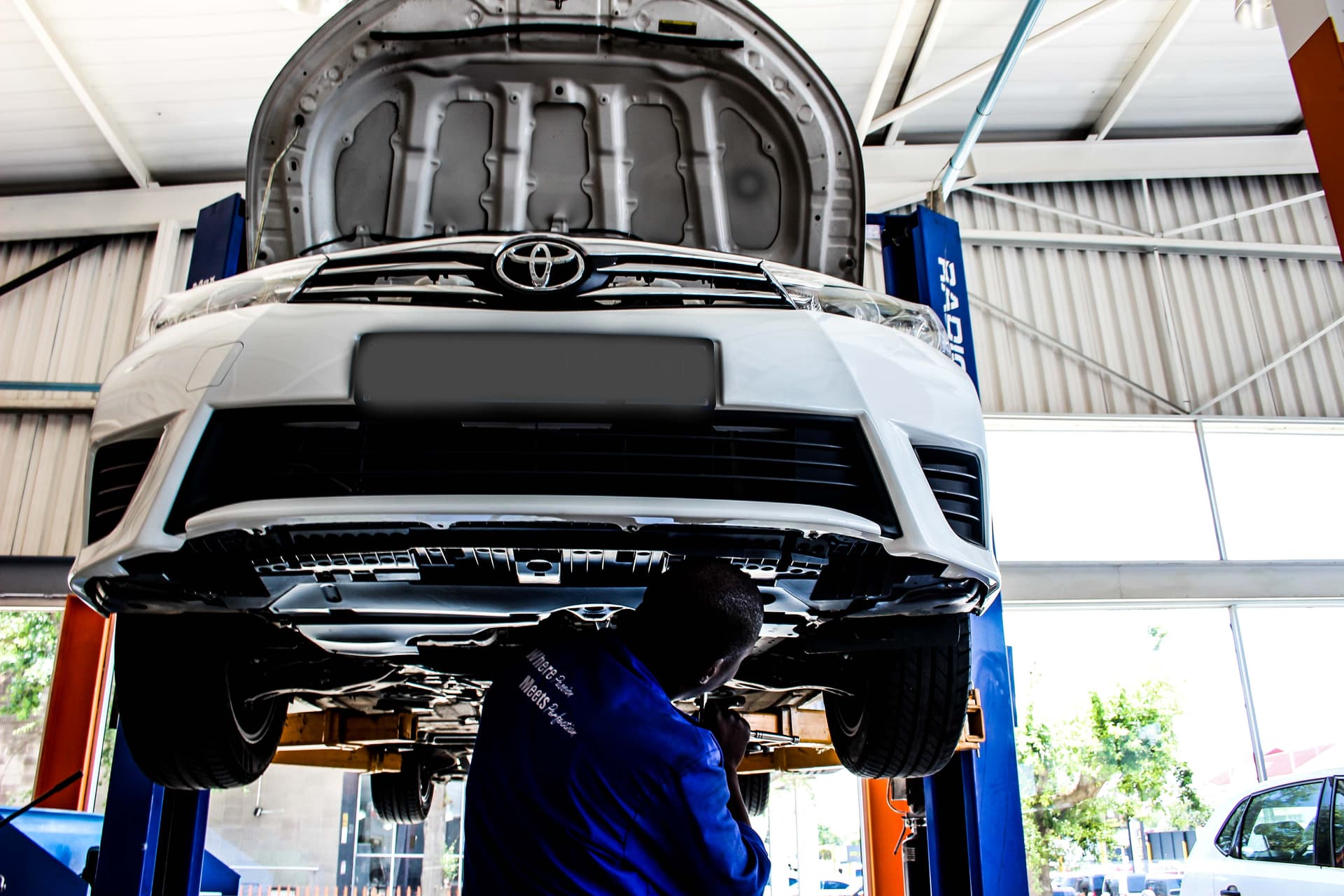
At drop-off, the shop assesses the vehicle in full, not just the obvious damage. Impacts often cause damage that isn't visible from the outside, particularly to structural components, so a proper assessment can add items to the original estimate. This is normal and is exactly why the assessment happens before repair, not after.
Step 3: Authorisation and the itemised quote
The shop submits an itemised quote to your insurer for authorisation. An approved repairer manages this exchange directly, so you're not the one relaying information between assessor and workshop. This is the single biggest practical benefit of using an approved repairer: it removes you from the admin loop.
Step 4: The actual repair
Once authorised, work proceeds in sequence: structural or panel repair first, then paint, then reassembly and a final quality check. Each stage is typically signed off before the next begins, so problems get caught early rather than discovered at handover.
Step 5: Collection
You should be notified the moment the vehicle is ready, ideally proactively, not by having to call and check. At collection, the repair should be backed by a workmanship warranty independent of the insurance claim itself, so you have recourse if anything shows up later.
What can slow the process down
- Additional damage found once panels are stripped, requiring a supplementary quote and re-authorisation
- Parts availability, particularly for imported or less common models
- Assessor turnaround time on the insurer's side, which is outside the repairer's control
Common Questions
Do I have the right to choose my own repairer, or must I use my insurer's recommendation?
In South Africa you generally have the right to choose your own repairer, though using one already approved by your insurer usually means a faster, simpler authorisation process.
Why did the quote increase after the car was already dropped off?
This usually happens when the assessment finds damage that wasn't visible externally, common with impacts affecting structural components. A supplementary quote is submitted to the insurer for authorisation before that extra work proceeds.
Will I be updated during the repair, or do I need to call in?
A well-run shop will notify you proactively, commonly by SMS, rather than leaving you to call and check on progress.